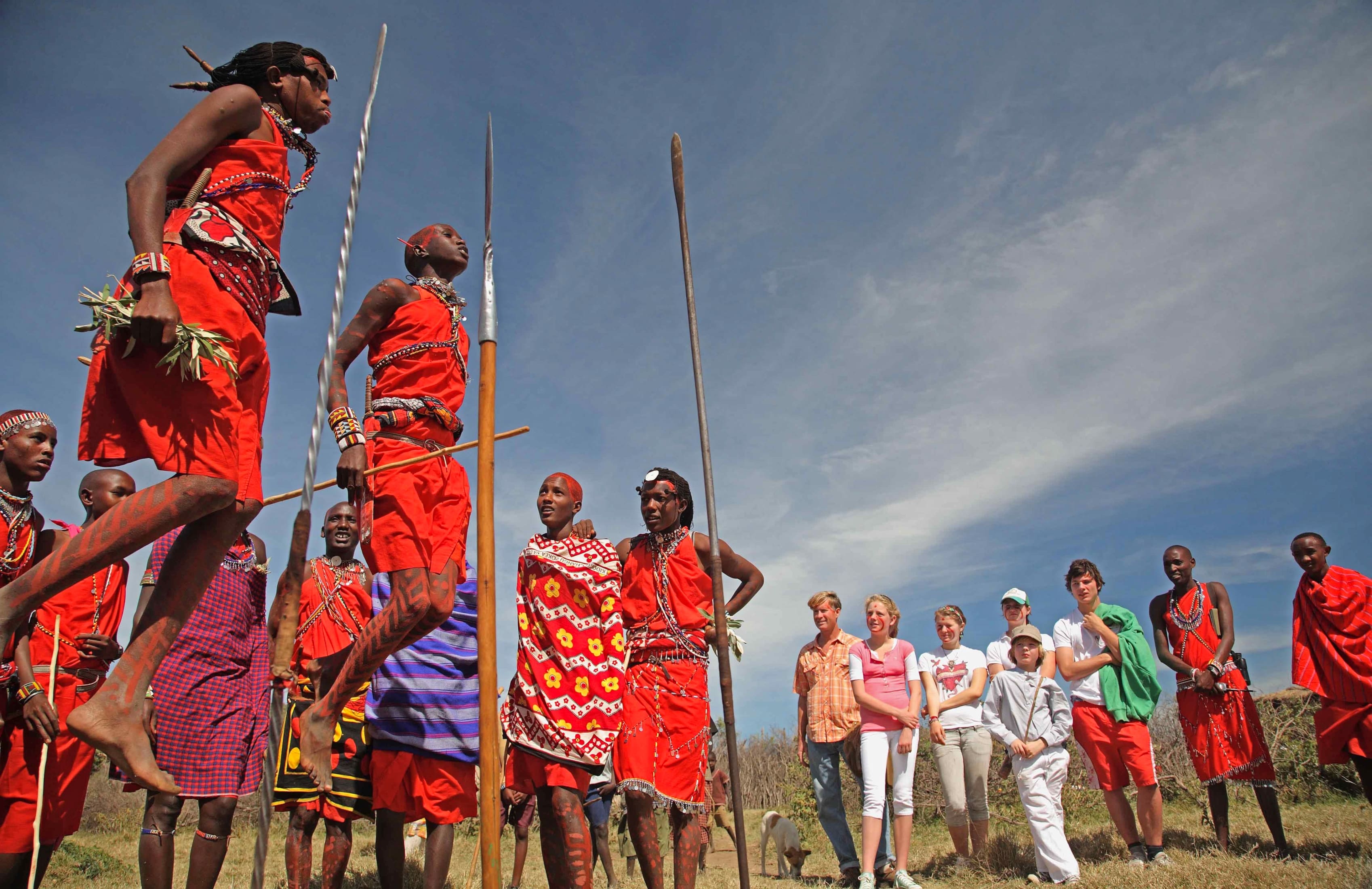
At Filao Adventures, we believe travel should leave a positive mark. We partner with eco-certified lodges, support local Maasai communities, and contribute to Kenya's wildlife conservation efforts on every journey we craft.
One of the most common questions we receive is: "When is the best time to go on safari?" The truth is, there is no single "best" time; Africa is a vast, dynamic continent offering spectacular phenomena 365 days a year. The optimal time for your journey depends entirely on what you wish to experience.
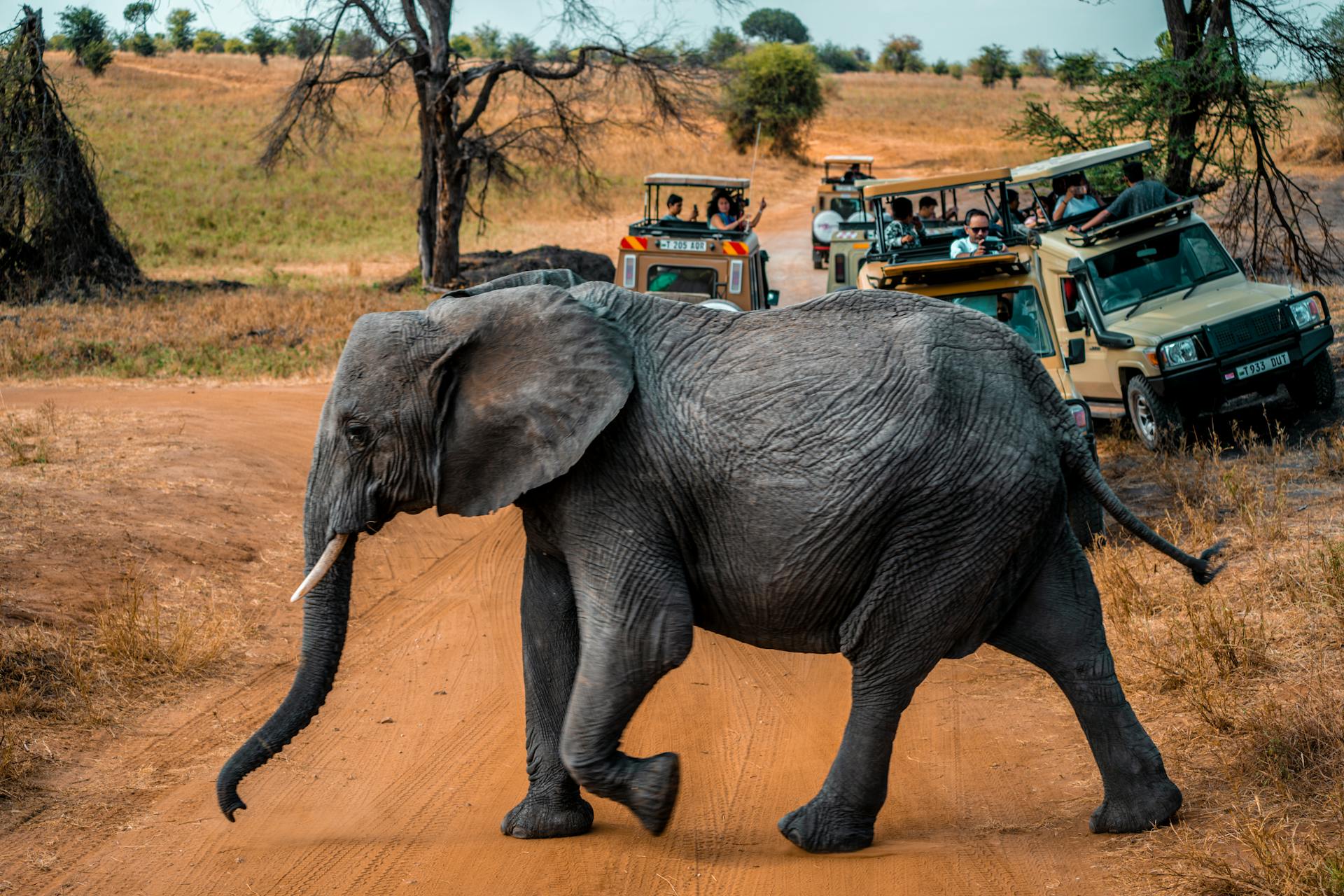
If witnessing millions of wildebeest and zebra brave the crocodile-infested waters of the Mara River is your priority, then the dry season (July to October) in Kenya’s Maasai Mara and the northern Serengeti is your target window. During this time, the bush is sparse, making general wildlife viewing exceptionally easy as animals congregate around permanent water sources.
Often overlooked, the Green Season (or Emerald Season) is a favorite among safari connoisseurs and photographers. Rains transform the dusty plains into lush, vibrant green landscapes. This is the birthing season for many herbivores, which in turn attracts high concentrations of predators. The skies are dramatic, the dust is settled, birdwatching is at its absolute peak with migratory species present, and luxury lodges offer incredibly competitive rates.
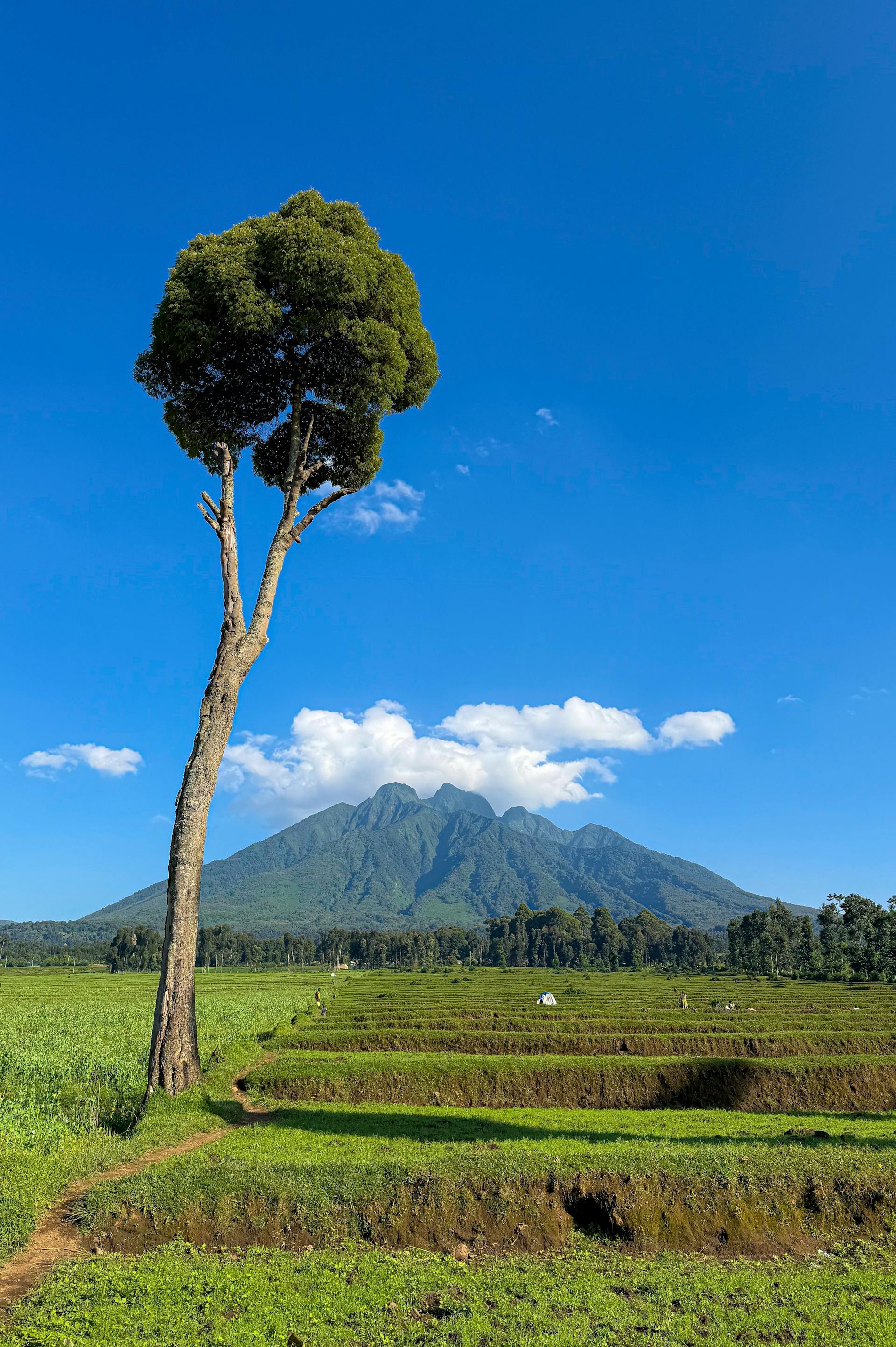
For trekking the mist-shrouded mountains of Rwanda or Uganda to sit with mountain gorillas, the drier months are preferable. The trails are less slippery, and the risk of heavy downpours is minimized, though the rainforest climate means rain is always a possibility.
The tropical coastlines of Zanzibar and Diani Beach are glorious for most of the year. The coolest and driest months align with the peak safari season (July to October), but the warmer, more humid months from December to March offer glass-like ocean conditions perfect for diving and snorkeling.
Speak to our Safari Specialists today to match your travel dates with the ultimate African phenomena.